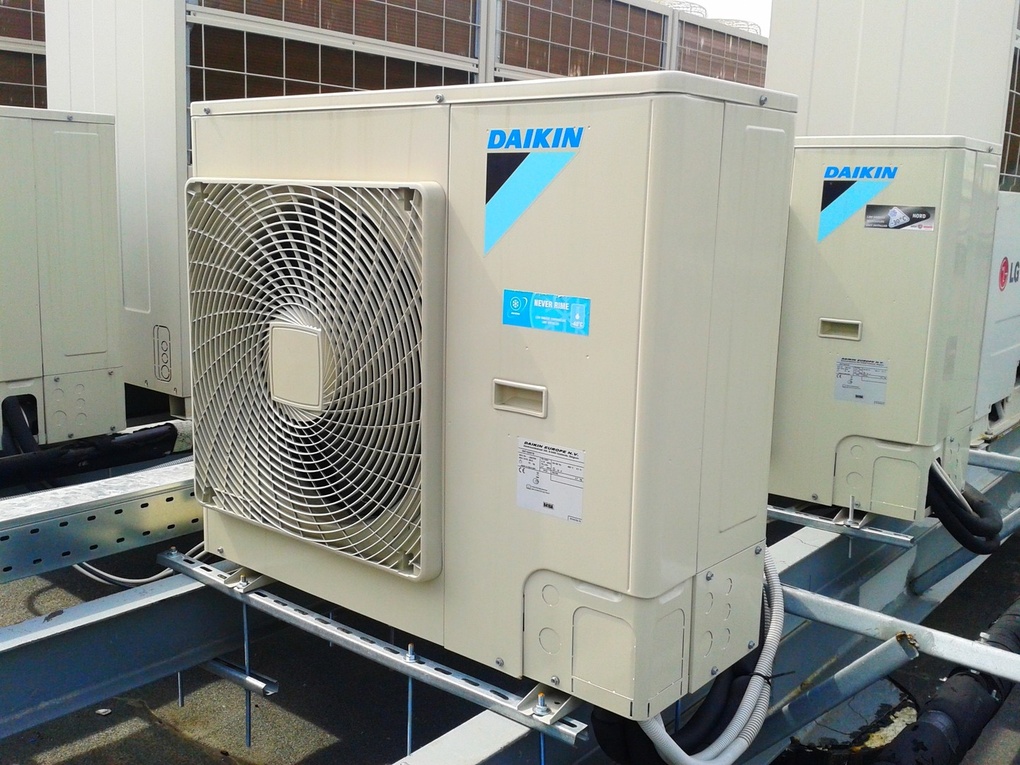
The Ultimate Guide to Understanding SEER and EER in HVAC Systems Feb 23, 2026
Starting with SEER, it is a measure of how efficiently an air conditioning system operates over a typical cooling season. It compares the total cooling output to the total electric energy input. Simply put, a higher SEER rating indicates a more efficient air conditioning system. SEER ratings typically range from 13 to 21, with higher numbers signifying more efficiency. For example, if you have an HVAC system with a SEER rating of 16, it is considered highly efficient by modern standards. When shopping for a new system, always look for a higher SEER rating to ensure you are minimizing energy usage and, consequently, energy bills.
In contrast, EER provides a snapshot of the efficiency of an HVAC unit at a given point in time using a specific outdoor temperature (usually 95 degrees Fahrenheit), with a consistent indoor air temperature and humidity level. EER evaluates the unit’s performance during peak cooling demands. This can be especially useful in regions that experience extremely high temperatures, as it helps analyze performance under stress. The general rule of thumb here is the same: higher EER equals better efficiency.
Incorporating both metrics is essential for understanding the overall efficiency of an HVAC system. Typically, manufacturers and retailers will highlight SEER ratings since they provide a broad perspective of seasonal efficiency, but EER is equally important when evaluating performance in extreme, real-world conditions. By considering both SEER and EER, you can ensure your system is efficient throughout a range of operating conditions, thereby enhancing your comfort and savings.
Choosing the right system also requires considering other factors like installation costs, energy consumption, and long-term operational costs. At Brian’s Heating & Cooling, we advise our clients to balance initial costs against ongoing benefits. Investing in a high-SEER and EER unit may seem pricier upfront, but the reduction in monthly utility bills will likely justify the expense over time. Energy-efficient systems reduce environmental impact, aligning with environmentally conscious values while still ensuring comfort.
Selecting an HVAC system is a significant decision, and understanding SEER and EER ratings is essential to make the best choice. By prioritizing systems with high efficiency, you not only contribute to a more sustainable environment but also enjoy greater comfort and significant cost savings. At Brian’s Heating & Cooling, we provide expert guidance and a range of options for high-efficiency systems tailored to meet your specific needs. Trust us to help you find the perfect balance of comfort, efficiency, and cost-effectiveness for your home or business. Whether it’s understanding these ratings or any other HVAC concern, our team is here to support you every step of the way.
/filters:no_upscale()/filters:format(webp)/media/5d54240c-9caa-4363-a94c-325ab29c2895.jpg)